


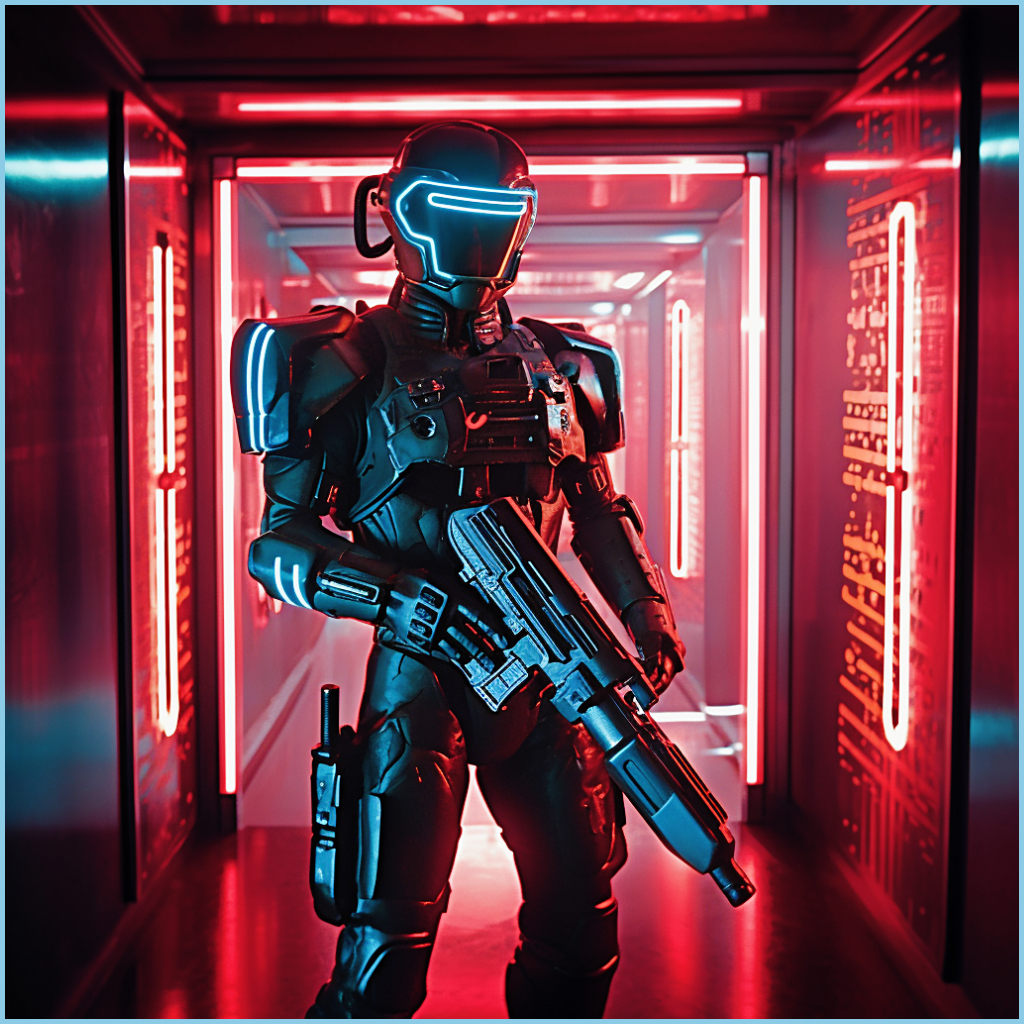
Out of all the megacorps in Cyberia, SKARS features the most. This is because several of the playable characters find themselves creating an alliance to bring down this totalitarian titan once and for all.
Scotch Mike, who deeply regrets the SKARS sponsored surgical procedure he had during his young and impressionable years, understands what’s really going on and why eliminating Lord Garf is a matter of utmost priority.
Through Scotch Mike we learn about the history of SKARS Corp. Before the collapse of the Anal-World, the forefathers intended SKARS to be an invaluable health service for millions of people and completely free of charge as to stop humanity from dying out. After a century of research, they had even developed a brain chip which was capable of treating everything from chronic arthritis to trapped wind.
The chip somehow stimulated part of the host’s brain in such a way that their illnesses and symptoms disappeared entirely. However, if the chip was removed or happened to malfunction, the illness came flooding back.
Fast forward a lot. The Anal-World spent many years tearing itself apart although hardly anybody noticed. Meanwhile a new high-tech, hyper-capitalist order began to creep in. Inequality was stretched to the limits and most residents of Cyberia turned to crime and gambling in a desperate attempt to resolve their bleak existential prognosis.
Over the years all of the forefathers died out like Arctic polar bears, and SKARS was on the verge of wipe out. But somehow things only got worse.
Once the last of them was dead (who happened to be Mr Kazuki), the “little shit” who inherited SKARS in present day Cyberia was Lord Garf.
After Lord Garf took over the company, it steadily became a subscription only service. As a result, hundreds of thousands of destitute Cyberians died within the first few months.
SKARS Corp also pivoted away from health care and moved towards “hyper-powers.” These hyper-powers are expensive special abilities which can be downloaded into a user’s brain chip. This includes increasing memory size, rigging the host’s brain to AI software thus boosting memory retention to Kim Peek levels, improving gun aiming abilities and accessing black markets on the go. They also service warbots such as Ace and pretend to be the leaders of cryogenic technologies.
In this new age of augmentation, with crime rocketing through the sky alongside a constant struggle for survival, many Cyberians began to install these hyper-powers without a second thought. Civilisation had well and truly entered a new era of cutthroat conditions.
As if all this wasn’t bad enough, Lord Garf began to tweak these downloads so that they carried cybervenom. These viruses stealthily hacked the brains of the host, stole data and, when necessary, took over their minds and made them perform “special assignments”.
The only person who knows what is really happening behind those impenetrable steel doors is Scotch Mike. Mike only knows because it’s his job to know. Soon others will know, too. And then it’s total carnage!
We would also like to note that SKARS is an abbreviation of Seminal Knowledge Assisting Real Sickness which is a comically awful acronym. Somebody has quite clearly made up the megacorp’s name first and then, when they came to developing the story, they had to shoehorn words into it in order to make it sound cool. This is the best that they could come up with given the circumstances.

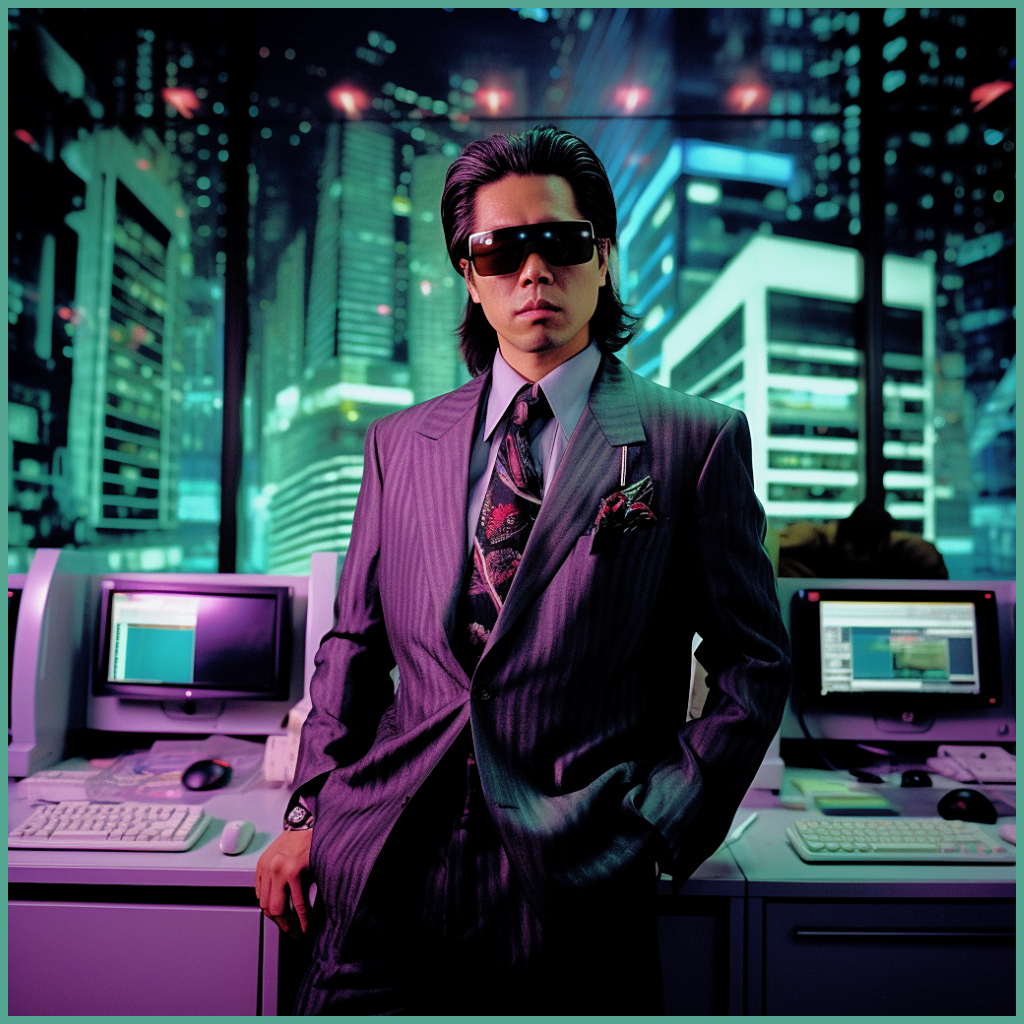
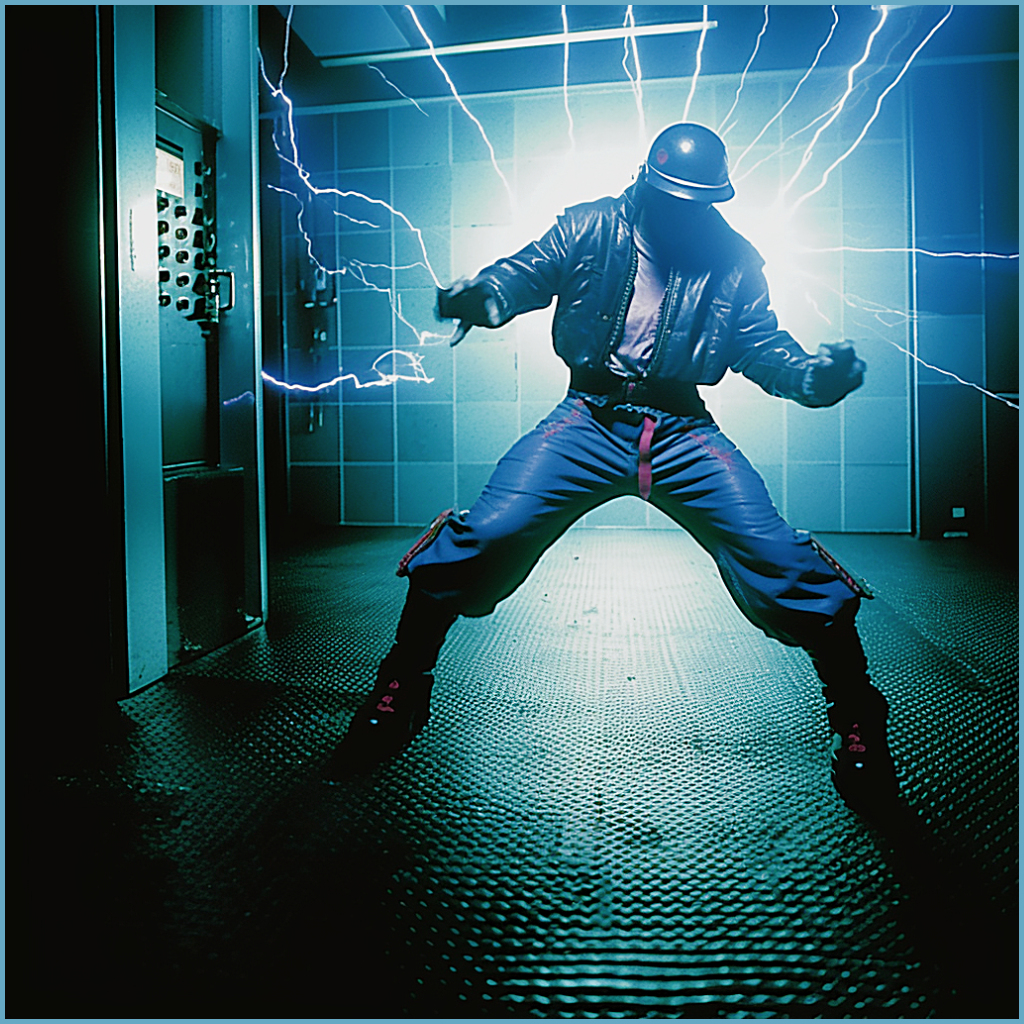


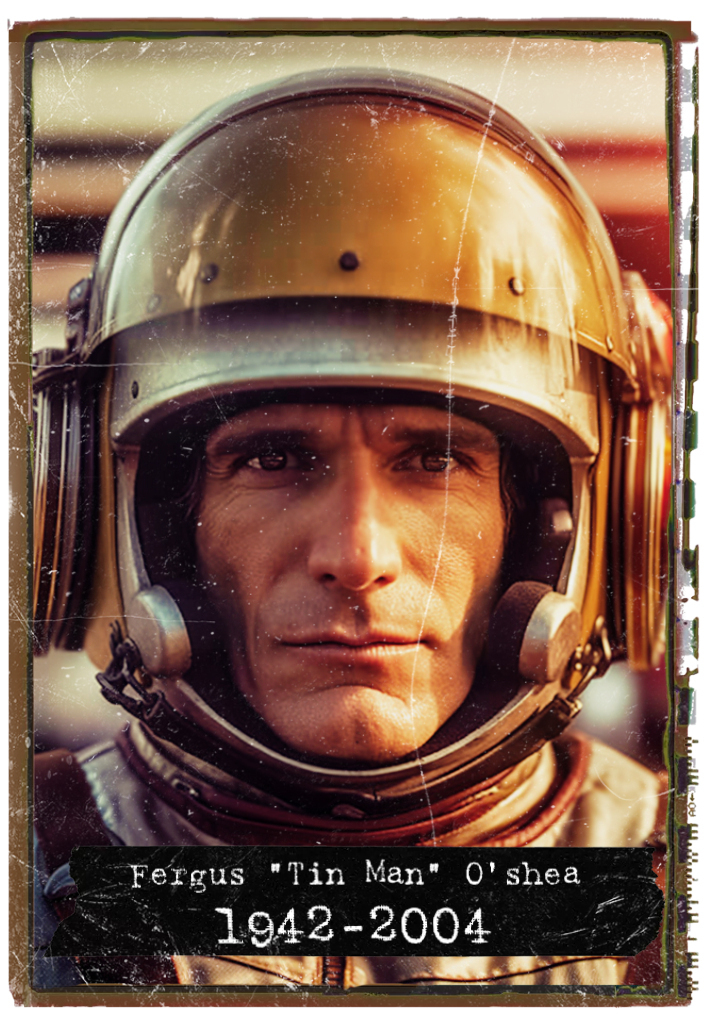
Fergus “Tin Man” O’shea: Another Golden Child at Give Me Head Productions
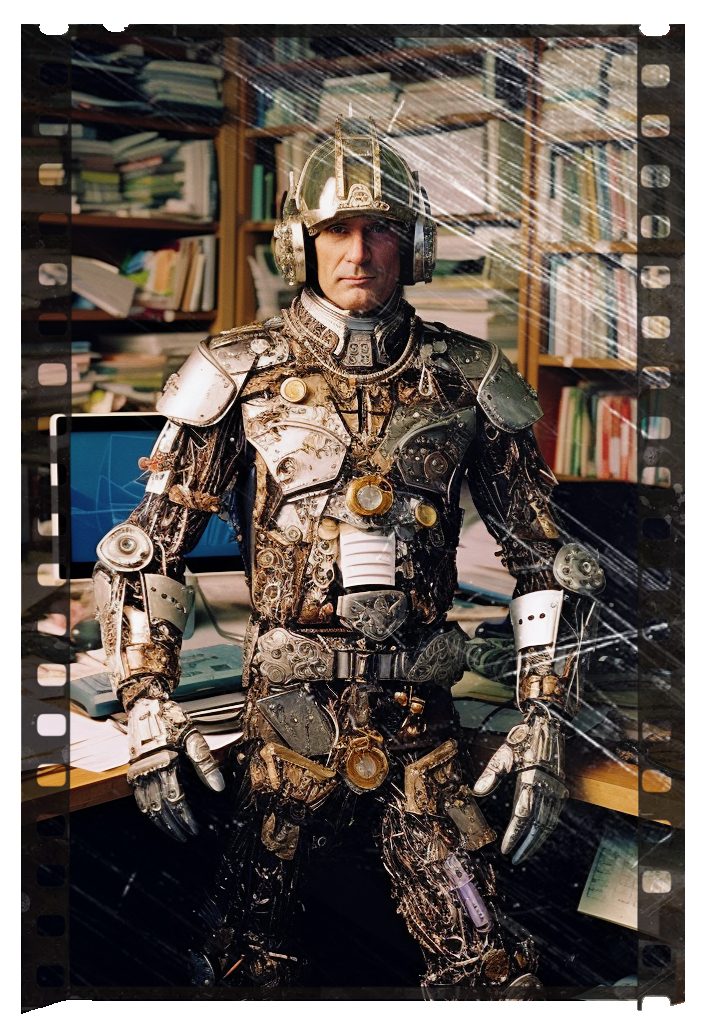
Fergus got his job on the special FX team purely because he had worked for another shoestring production company in an LA dungeon. It was called–wait for it–Maschinemensch which is the name of the robot in Fritz Lang’s groundbreaking Metropolis (1927).
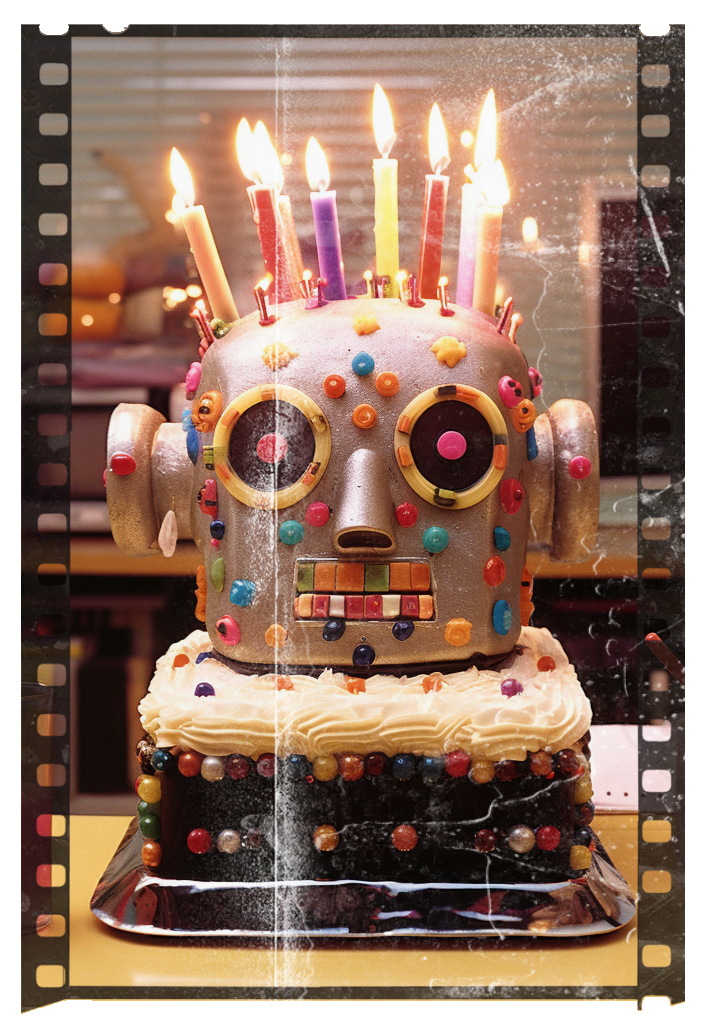
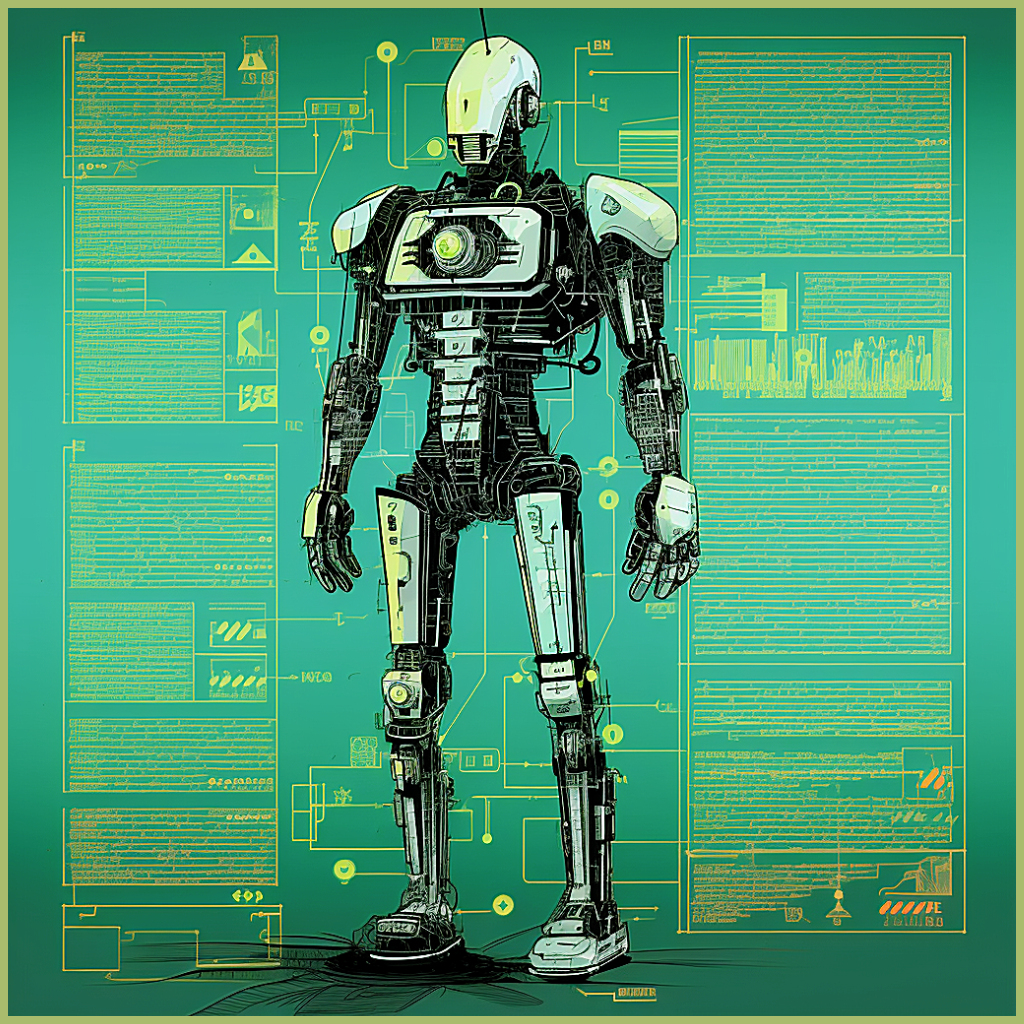
Maschinemensch’s heyday was the 1970s. It specialised in producing terrible straight to home video movies which straddled between heart-throb romance and sci-fi garbage where the robots looked like copper dustbins with painted yoghurt pots and brass buttons stuck to them–a constant source of inspiration for the Blue Peter gang. The entire movie would use only the same five sets throughout their entire back catalogue.
Nobody at Give Me Head cared if the movies were awful. They were just glad somebody was on board who had at least some clue as to what to do. Yet it quickly turned out that Fergus also had little clue as to what to do. He had been indoctrinated with B-movie bullshit and his only suggestion to everyone was that making movies was all about spending as little money as possible on them.
This didn’t seem to register because nobody (other than CEO Cassidy) knew anything about the budget constraints. And by budget constraints, we don’t mean a careful and rigorous allocation of funds to different departments, right down to the nearest decimal place; we mean an eye-watering lump sum of inherited cash money that was spent on a first come, first served basis but with most of it going to cartel-connected drug dealers on the thrice daily “party runs”.
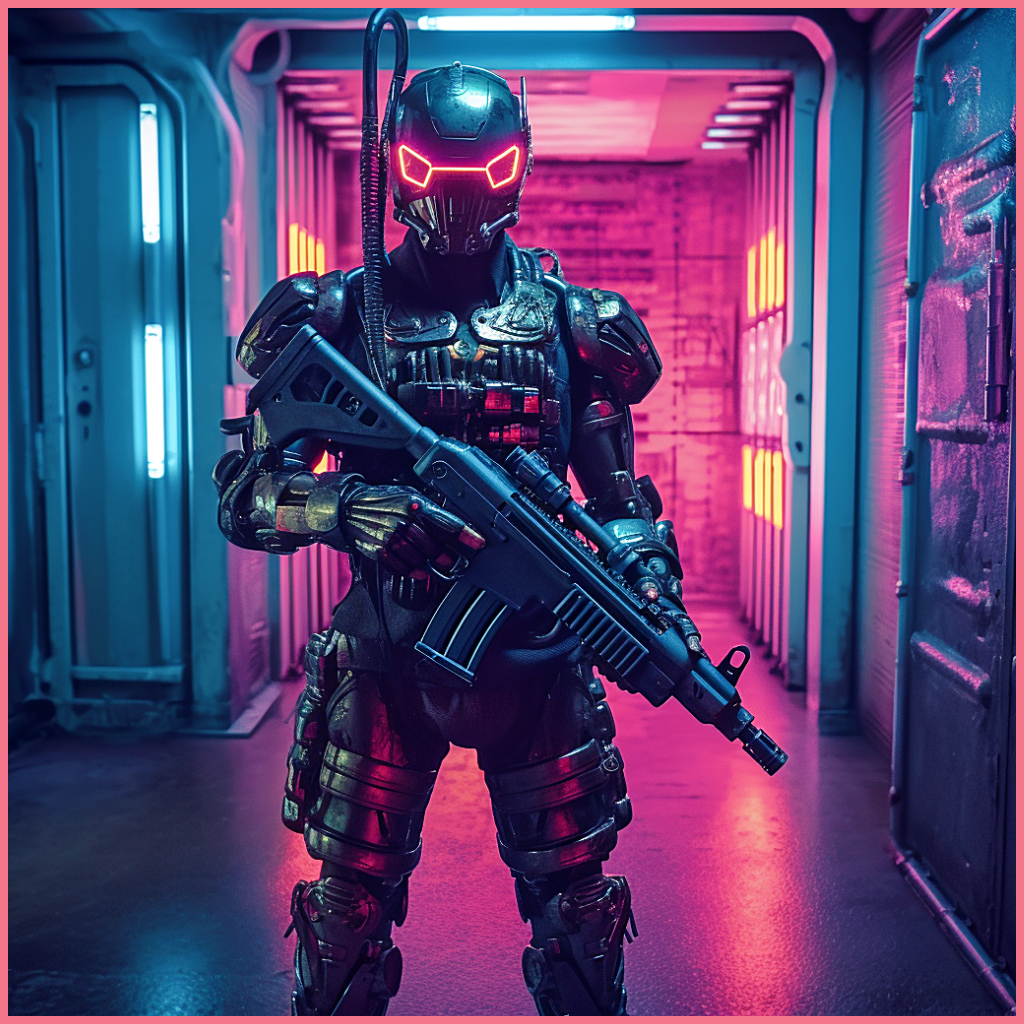
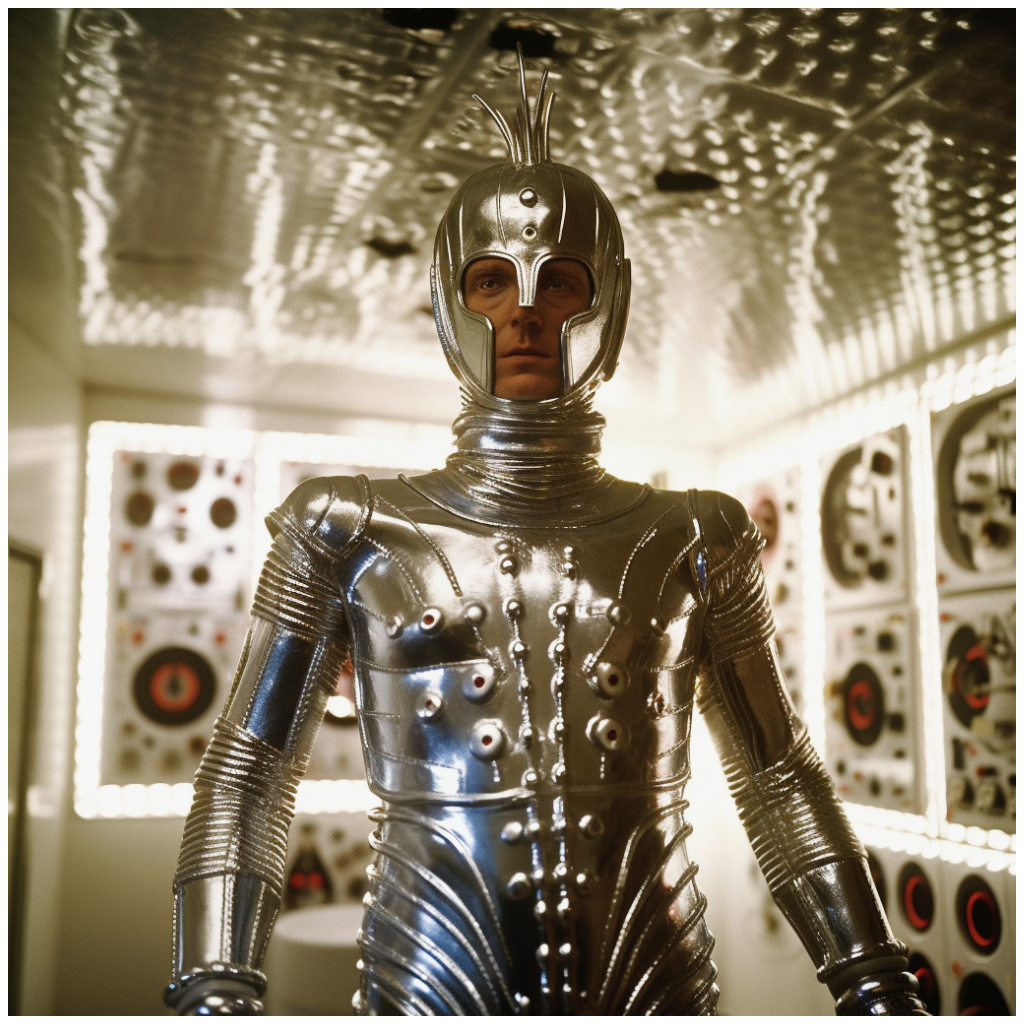
Fergus was a late startercat Give Me Head, arriving a couple weeks after the special FX team was assembled. When he turned up on his first day wearing the above robot suit as a misguided ice breaker, it set the tone perfectly.
“My name is Fergus,” he said. “But you can call me Tin Man.”
He pressed a button on his chest and a party blower sounded with all the power of an emaciated fart.
Out of politeness, everyone went along with it. They then quickly disappeared and carried on doing whatever they had been doing while rolling eyes of disbelief at each other.
A fella called Diego–who was the team leader in all but name–took charge of the situation by figuring out who this pleb was by conducting a lengthy undercover interrogation to assess if he really did have something–anything–to offer.
At the end of Fergus’ first day, Diego pulled him aside and told him that the only person he trusted to do the important task of meticulously checking the engineering reports for errors was him.
“Thank you,” Fergus said, his voice fighting away some tears. “On my last movie, I told my boss that things were going south precisely because the engineering reports were out of control. He disagreed but now I feel vindicated.”
“You get it,” Diego said, placing his hand on Fergus’ shoulder. “And only the best get it. I saw it in you right away.”
“Thank you,” Fergus said, saluting like a lotal sailor. “I won’t let a fellow engineer down.”
The next morning, Diego sent everyone a circular simply saying: “We hit gold. Tin Can Man won’t be going anywhere near your creations. Let’s celebrate Friday by getting appallingly drunk without him.”
But it was Fergus who was going to have the last laugh.
EDIT: 14/08/2024
We were contacted last night by a former colleague of Tin Man who wished to remain anonymous. This person told us that O’shea was a “shining light” to work with and was “often misunderstood in life. All he wanted to do was make robots and make people laugh. I think he succeeded with at least one of those”.
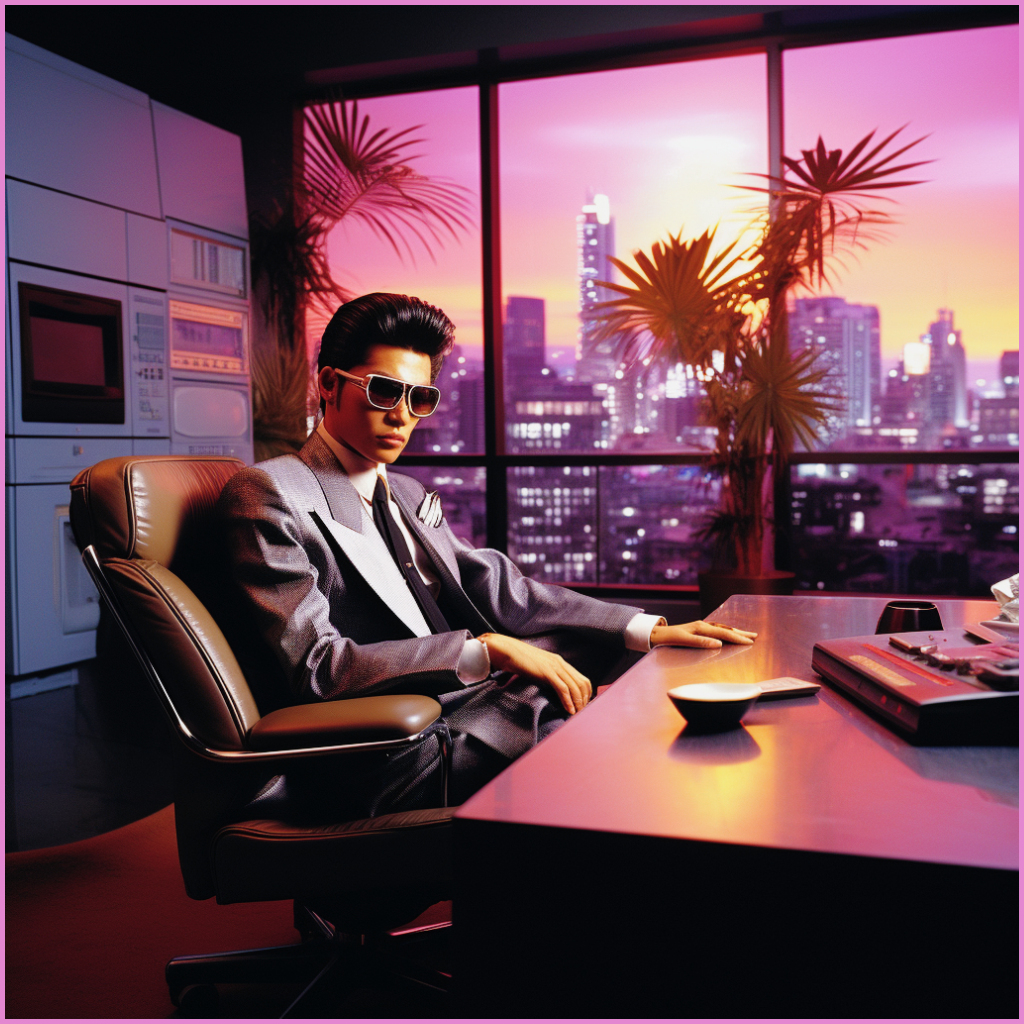
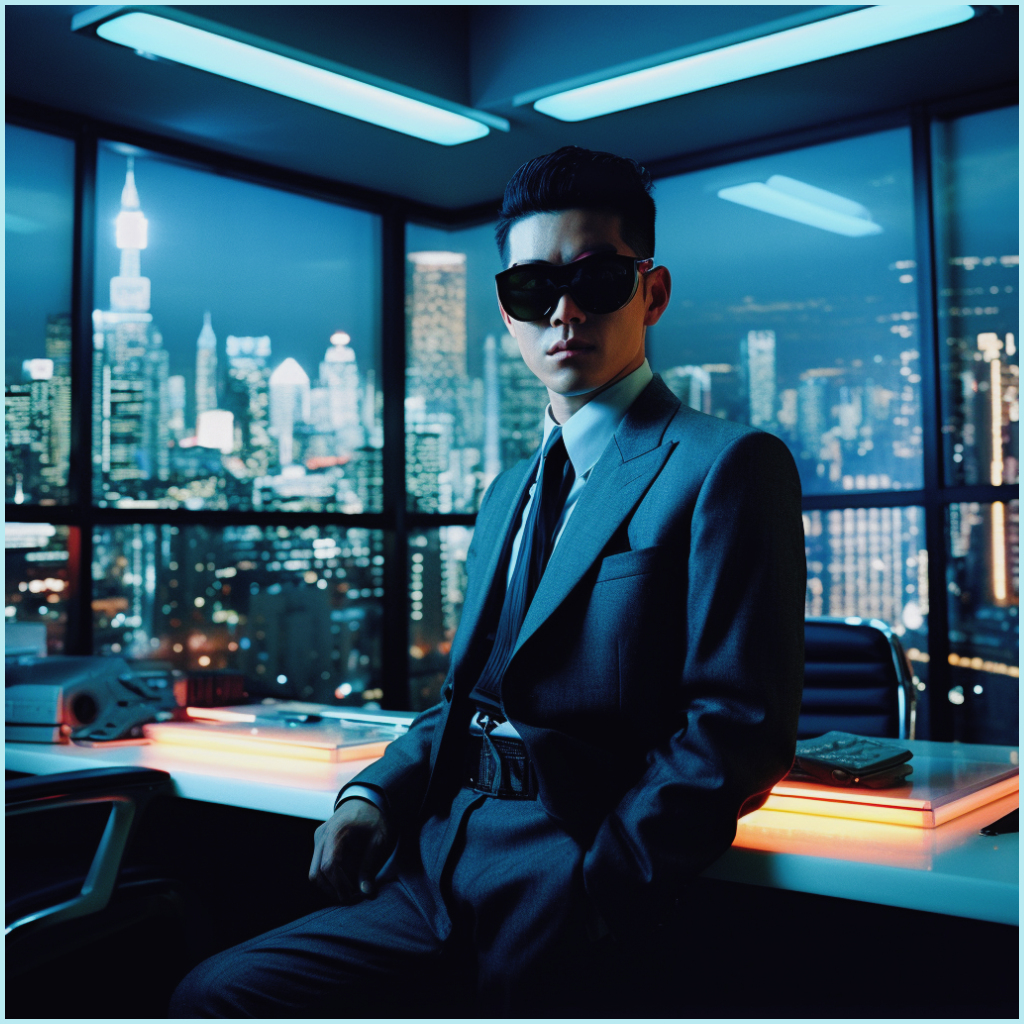
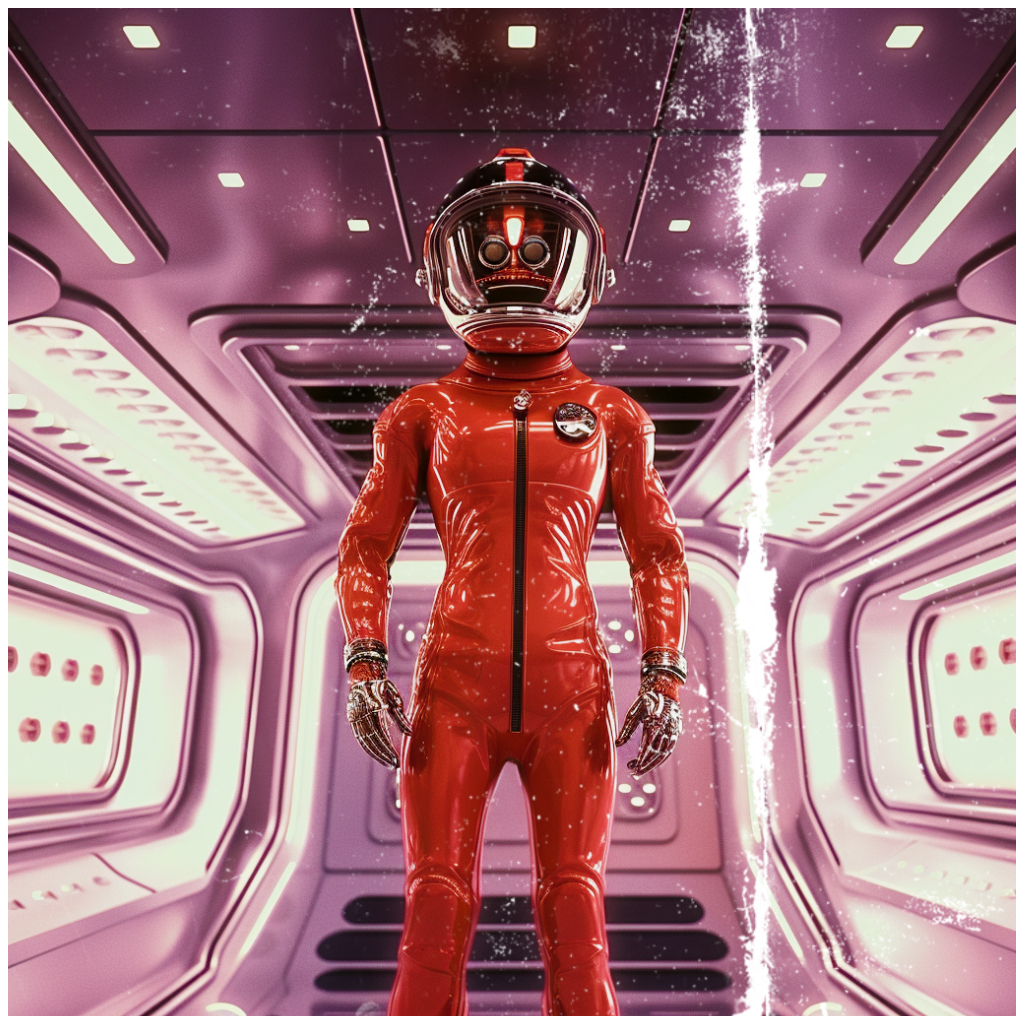
On a more positive note, the former colleague provided us with images of several projects O’shea had worked on during his time at Maschinemensch:
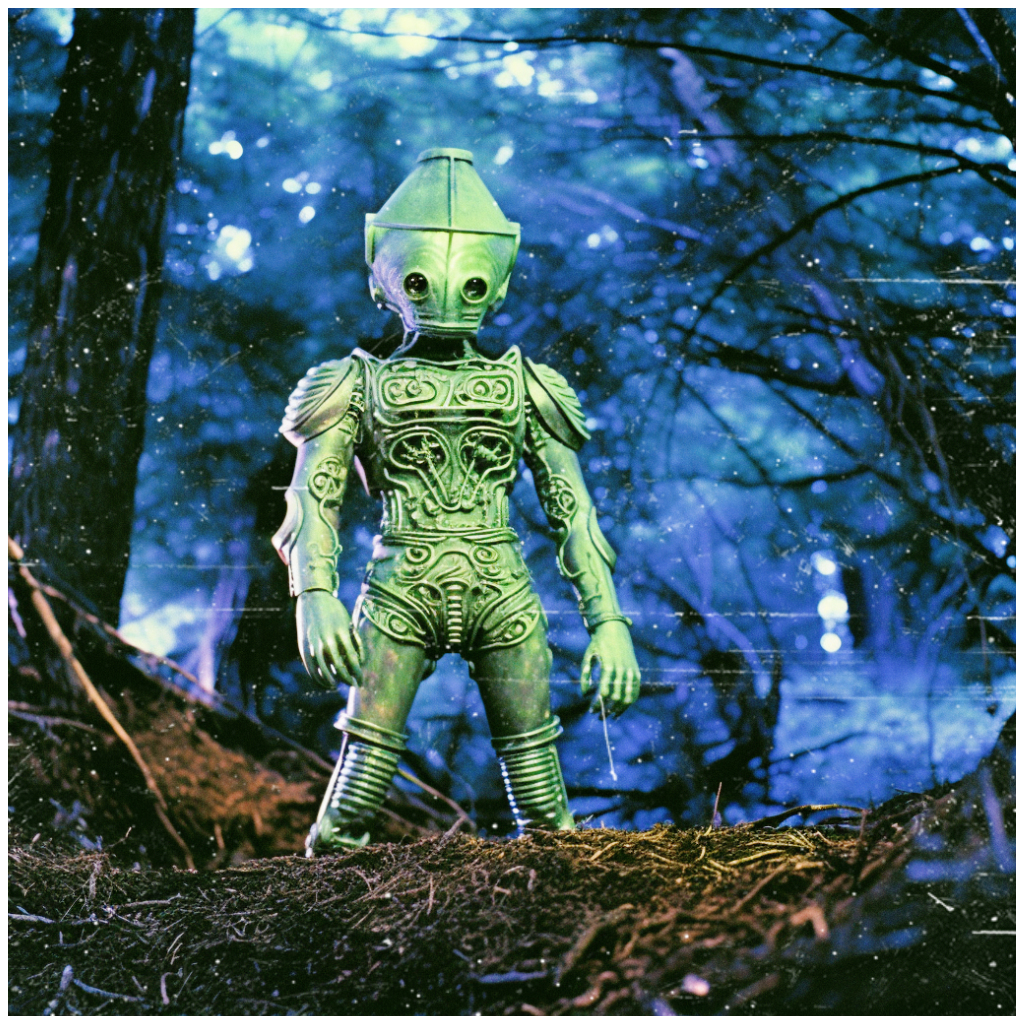
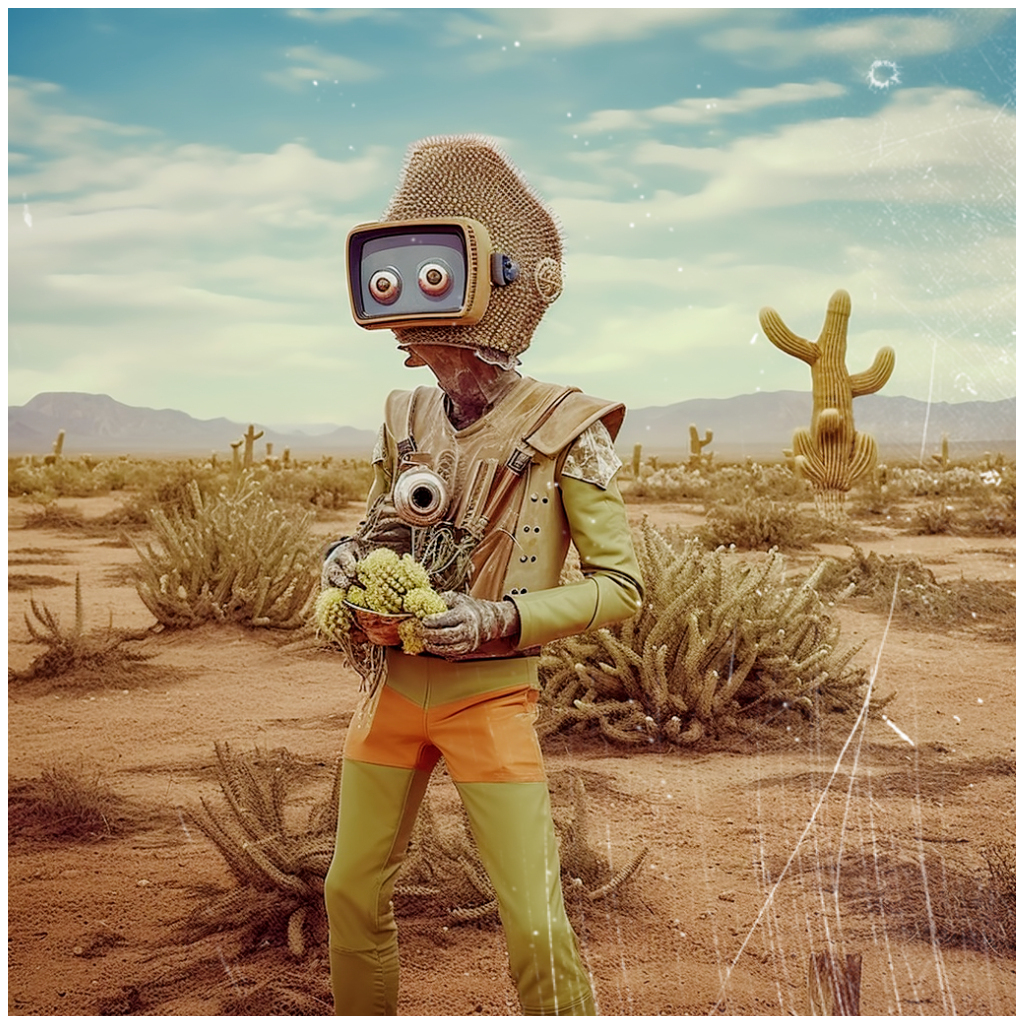
Finally we would like to express our gratitude to the excellent person who reached out to us and provided the information.
Return to the Index
Click here to return to the index.
Interested in the Digital Collectable?
NFTs coming soon on BESC Hyperchain


Leave a comment